+1 808 999 0096

 info@indeedseo.com

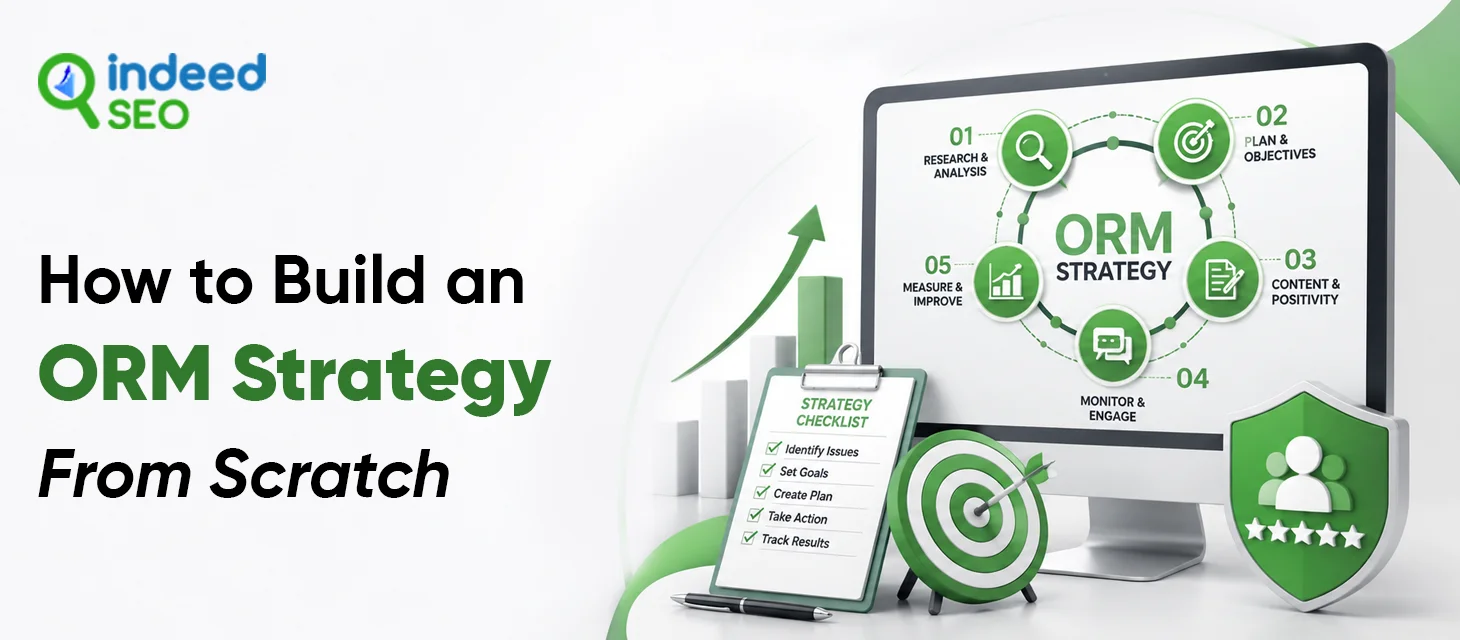
Online reputation management is one of the most essential ways to influence and attract new customers. A professional ORM strategy includes monitoring, optimizing, and repairing your digital presence and brand mentions across search engines, listing sites, and social media platforms. However, to create a custom ORM strategy from scratch, businesses need a deep understanding of their performance and potential risks, robust review monitoring systems, and the ability to consistently produce branded content.
If you want to build an ORM strategy from scratch to support your business, follow along with this blog for detailed instructions.
Build a Custom ORM Strategy For Your Business With IndeedSEO
What Is an ORM Strategy and Why Businesses Need It?
ORM stands for Online Reputation Management. It is the practice of managing and optimizing a brand’s online presence and reputation on multiple platforms. It helps monitor and share positive reviews about your business, presenting it as reliable and active.
It covers the information people find when they search for your company, including:
- Google reviews
- Social media mentions
- Search results
- Business listings
- Forum discussions
ORM is used to manage and resolve user inquiries, helping to verify information and increasing business credibility.
As users often research a company before making a booking or purchase, online reviews can influence their decision. A business with recent reviews and a positive brand image can help users engage with the brand with more confidence, improving conversions.
ORM can help businesses:
- Protect brand credibility
- Manage customer feedback
- Identify reputation risks
- Improve search visibility
- Build customer trust
- Support lead generation
- Respond to reputation issues faster
A consistent reputation management strategy prevents branding issues by responding to reviews on time.
Core Components of an Online Reputation Management Strategy
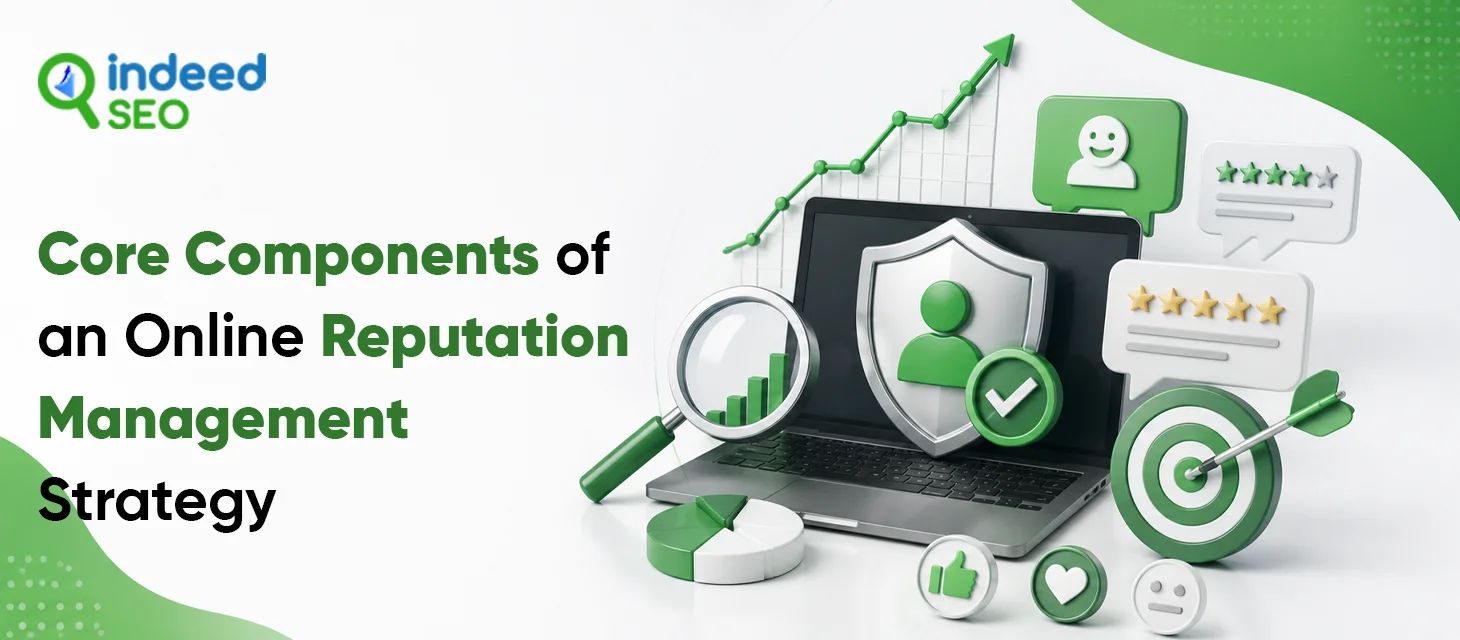
A strong Online Reputation Management strategy combines different services that are used in monitoring and responding to users on multiple platforms. Each component helps businesses control how their brand is presented and perceived online.
Reputation Monitoring
A targeted Online Reputation Management (ORM) plan combines active tracking, client feedback, search presence, content creation, and strategic replies. Every strategy lets companies shape how people see and experience their business online.
Review Management
Keep a note of every mention, review, social chat, news item, and Google results. Regular checks help teams catch issues, rumors, or risks early. Follow reviews on Google, industry hubs, and major platforms. Answer professionally and use common complaints to fix internal issues.
Content Management
Watch what appears when buyers search your business, products, or top leaders. Improve helpful sites and share trustworthy pieces to boost search quality. Build clear, valuable content that proves expertise and resolves client queries. Case studies, blogs, FAQs, and testimonials are the most common content management tools.
Crisis Management
Track comments, tags, and direct notes on your social accounts. Reply steadily while keeping your tone polished and right for each audience. It is important to build clear plans for any major complaints, leaks, or bad press before any issue arises.
Data Tracking
Measure review stars, comments, reply times, search visibility, bad mentions, and sales. Regular updates show what succeeds and where to change.
Step-By-Step Guide: How to Build an ORM Strategy From Scratch
Building an ORM strategy from scratch starts with understanding how your audience currently views your brand online. It is important to understand how to manage feedback, improve online presence, and track changes over time.
1. Audit Your Current Online Reputation
Start by finding out the real and initial brand presence of your business as a customer. This helps you understand your current reputation and find the right optimization elements.
Review Branded Search Results
Search your business name and key services on Google. Check the first few pages for issues with loading and content. You can easily find outdated information, negative content, customer discussions, and third-party listings using this strategy.
Look closely at:
- Search results for your brand name
- Company and executive profiles
- News mentions
- Review websites
- Social media pages
- Industry directories
Check Reviews and Social Mentions
Read recent customer reviews and public comments about your business. Look for repeated issues rather than focusing on one negative comment. If several comments mention the same issue, that is the first problem you must target in your strategy.
Create a Reputation Baseline
Record your current ratings, reviews, and brand mentions. You must check for negative mentions and business presence to understand your performance baseline. This gives you a starting point for measuring future progress.
2. Set Clear ORM Goals and Priorities
Once you understand your current reputation, decide what needs attention first. Your goals should match your actual business problems.
Choose Measurable Goals
Your ORM goals could include:
- Increasing genuine customer reviews
- Improving review response times
- Reducing unresolved complaints
- Updating inaccurate business information
- Improving brand mentions
- Increasing positive brand mentions
Choose key performance metrics and avoid vague goals to actually understand your growth.
Prioritize Reputation Risks
Some reputational aspects can affect your business more than others. Rank problems based on their frequency, visibility, and impact.
A minor complaint can be managed easily. However, a serious allegation requires immediate escalation.
3. Manage Reviews and Customer Feedback
Reviews are often one of the first things potential customers check before choosing a business. Managing them consistently should therefore be a core part of your ORM strategy.
Respond to Reviews Professionally
Thank customers for positive feedback and address genuine complaints. Don’t be rude or defensive, and keep your responses relevant to the customer’s concern. Make sure to have personalized replies for different reviews to showcase your online presence.
Encourage Genuine Customer Reviews
Ask customers for honest feedback after their service is completed. Make the process simple and explain how to post reviews for better conversions.
Never:
- Buy positive reviews
- Create fake customer profiles
- Ask employees to post misleading reviews
- Offer rewards specifically for positive feedback
Use Feedback to Improve the Business
ORM should not stop at replying to customers. Review complaints that are common and address the problem instead of simply responding every time.
4. Strengthen Your Online Presence
A strong ORM strategy should also create more useful and trustworthy information about your brand.
Improve Branded Search Results
Review your website pages, business profiles, directories, and other trusted sources. Make sure your company information is accurate and consistent. Optimize pages around important branded searches, including your:
- Company name
- Products
- Services
- Locations
- Key executives
- Customer questions
Publish Trust-Building Content
Useful content can help customers understand your business before they make a decision.
Consider publishing:
- Case studies
- Customer success stories
- Expert articles
- FAQs
- Research reports
- Industry guides
- Product resources
Focus on information that demonstrates real expertise rather than creating content only to promote your services.
Keep Business Profiles Updated
Update your Google Business Profile, social accounts, and listing profiles. Remove any outdated information and keep contact information accurate and consistent across different platforms.
5. Monitor Results and Prepare for Reputation Risks
ORM is an ongoing process. Your reputation can change as new reviews, articles, comments, and search results appear.
Track Important ORM Metrics
Monitor metrics such as:
- Average review rating
- New review volume
- Review response rate
- Average response time
- Positive and negative mentions
- Branded search visibility
- Reputation-related conversions
Compare these numbers with the baseline created during your initial audit.
Create a Crisis Response Plan
Serious reputation issues require faster, more targeted responses. Delegate teams in advance to specify who will monitor the issue, approve statements, and decide how serious issues must be solved.
Review Your Strategy Regularly
Set a regular review schedule to assess your online performance. Monthly reviews can help identify new complaints, changing customer sentiment, and areas where your business needs to improve.
A successful ORM strategy is not about making negative comments disappear. It is about building a credible online presence, responding responsibly, and improving the customer experience behind the reputation.
Build a Custom ORM Strategy For Your Business With IndeedSEO
Conclusion
Looking to hire a professional ORM Agency to manage your business presence?
IndeedSEO helps businesses take control of their online presence using custom ORM services. From review management and reputation monitoring to search result optimization, our services help improve brand credibility and create a more trustworthy online presence.